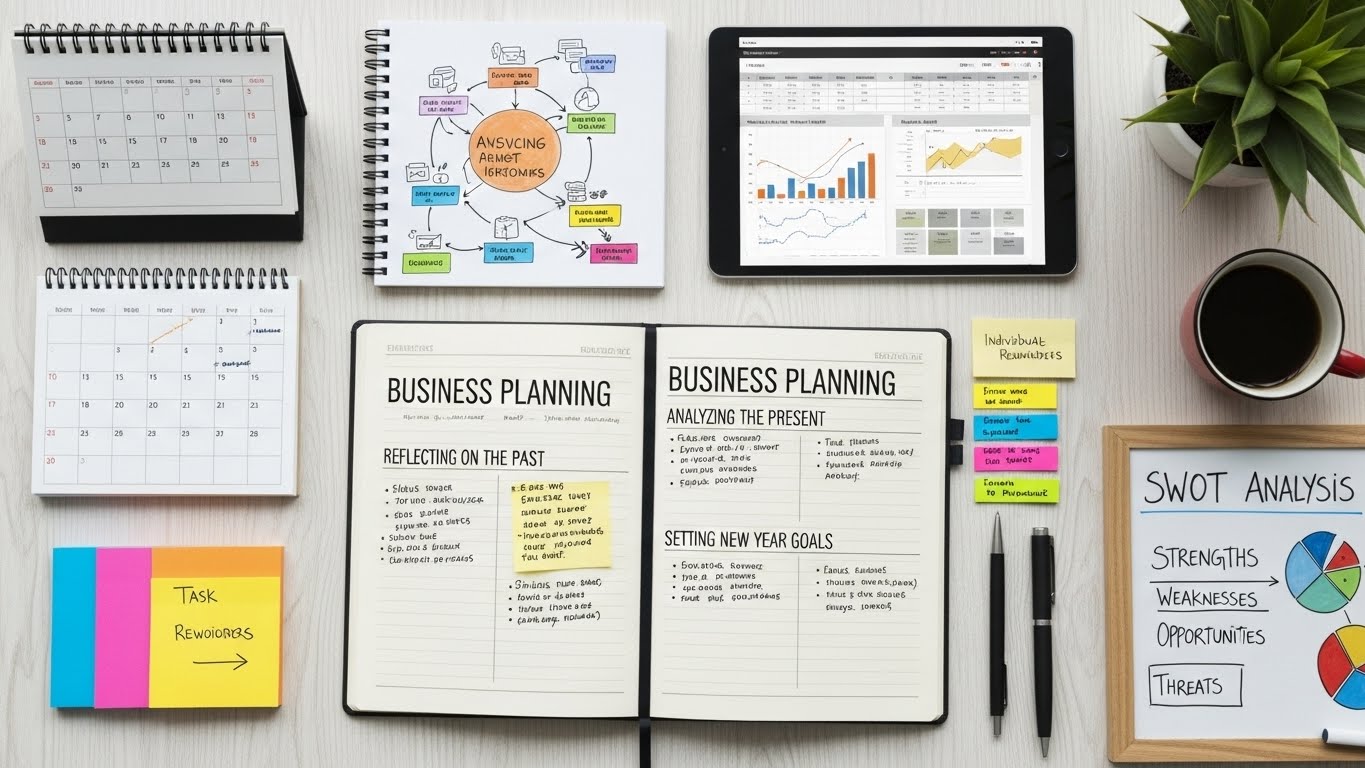

- Uncover the power of self-assessment as you evaluate past successes and identify areas for improvement, thereby refining your leadership approach.
- Discover how to transform collective insights from your team into actionable strategies that align with your long-term vision and enhance organizational effectiveness.
- Learn the art of setting SMART goals that not only keep you accountable but also drive progress toward your personal ambitions and broader organizational objectives.
Read on for the whole story.
Reflecting on Past Goals and Planning for Future Success: A Guide for Ambitious Leaders
As an ambitious leader or manager, taking the time to reflect on your past goals is not just an exercise in nostalgia; it is a vital part of your growth and development. By critically assessing your accomplishments and setbacks, you lay the groundwork for setting future objectives that are clear, achievable, and aligned with your long-term vision. Here’s how to make that reflection effective while keeping your eye on what lies ahead.
- Reflecting on Past Goals
Start by scheduling a dedicated time for reflection. Create a comfortable environment where you won’t be disturbed. Ask yourself key questions: What did I set out to achieve this past year? What were the key milestones, and how did they contribute to our team’s success? Were there unexpected challenges that taught me valuable lessons?
Write down both your accomplishments and setbacks. This list will serve as a powerful reminder of your journey, allowing you to celebrate achievements while acknowledging areas for improvement. Remember, the goal here isn’t self-criticism; instead, approach your reflections with curiosity and a growth mindset.
- Planning for Future Objectives
After recognizing past successes and challenges, shift your focus to future objectives. Consider what you want to achieve next. Use the SMART criteria—Specific, Measurable, Achievable, Relevant, and Time-bound—to define your new goals. For instance, rather than saying, “I want to improve team productivity,” specify, “I aim to increase team productivity by 20% in the first quarter of the year.”
- Tools and Resources for Effective Goal Setting
Embrace technology to streamline your goal-setting process. Tools like Trello, Asana, or Monday.com help you visualize tasks and deadlines, keeping your objectives front and center. An annual planner or a goals journal can also serve as powerful resources, allowing you to track progress, milestones, and reflections in one place.
Don’t forget about the wealth of knowledge available online. Podcasts, eBooks, webinars, and leadership blogs can offer fresh insights and strategies, enlightening your approach to goal-setting.
- The Importance of Self-Assessment in Leadership
Regular self-assessment fosters accountability. As a leader, investing in your self-awareness not only benefits you but also models a culture of introspection among your team members. Use tools like 360-degree feedback to gather insights from peers and subordinates, which will deepen your understanding of your strengths and weaknesses. This feedback will guide your leadership development efforts and enhance your effectiveness.
- Strategies for Effective Leadership Planning
Know your team’s strengths and weaknesses, and build your objectives around them. Engaging your team in the planning process not only fosters buy-in but also reveals valuable insights to shape your goals.
Implement regular check-ins to assess progress on your objectives. Aim for structures that encourage open dialogue—this could include bi-weekly one-on-ones or team meetings focused on goal progress.
- Setting Measurable Objectives for the New Year
As you prepare for the new year, consider setting both short-term and long-term measurable objectives. Establish quarterly reviews to assess progress, allowing for adjustments as necessary. Celebrate small wins along the way to maintain motivation.
- Conducting a Leadership DISCovery Meeting
Finally, to promote continuous improvement, consider holding a leadership DISCovery meeting. This is an opportunity to discuss insights gained from past experiences, share ideas for future projects, and align on team objectives. Make this a safe space for open communication—encourage honest feedback and healthy debate.
In wrapping up, remember that as leaders, our journeys are intertwined with both reflection and ambition. Having dedicated years to helping leaders refine their goal-setting strategies and enhance their effectiveness, I’ve seen firsthand how vital these practices are in fostering both personal insight and team alignment.
Embracing self-assessment not only illuminates our own paths but also empowers those we guide. By thoughtfully incorporating reflections from our past into our future planning and engaging our teams through processes like the Maxwell DISCovery meeting, we forge stronger connections and cultivate a culture of accountability.
As you set measurable objectives for the new year, remember that these small steps pave the way for significant growth and achievement, both for you and your organization.
Call to Action: Schedule Your DISCovery Meeting
If you’re heading into the new year and want greater clarity around:
- Your leadership goals
- Your communication style
- your team dynamics
- Or how to align people and performance more effectively
I invite you to schedule a complimentary 15-minute DISCovery Meeting with me.
Together, we’ll explore where you are, where you want to go, and how tools like the DISC Personality Assessment and leadership coaching can support your journey.
👉 Schedule your DISCovery Meeting here:
https://calendly.com/empowered2lead/introduction-discovery-session
Let’s make the coming year one of intentional growth, stronger leadership, and meaningful results.