

As a business owner, consultant, or emerging leader, you know that growth doesn’t happen by chance—it’s the result of intentional investment in people. In today’s competitive environment, nurturing future leaders isn’t just a nice-to-have—it’s essential. One of the most effective ways to do this is through well-designed mentorship programs.
A formal mentorship framework doesn’t just uplift individuals—it drives meaningful results across your organization. Here’s how to build a mentorship program that works:
1. Start with Clear Objectives
Begin by aligning your mentorship efforts with your organization’s broader goals. What outcomes do you want to achieve? Are you aiming to increase team confidence, develop leadership capabilities, or boost sales performance? Clarifying these objectives upfront allows you to tailor your program to your team’s specific needs and measure its success effectively.
2. Identify the Right Mentors
The success of your program hinges on selecting the right mentors. Look for individuals who not only model your company’s values and vision but also have the passion and experience in collaboration with others. Great mentors are more than high performers—they’re people who find purpose in helping others grow. Their enthusiasm will energize the process and encourage mentees to reach higher.
3. Create Structure and Consistency
Mentorship thrives on intentionality. Establish a rhythm for connection—monthly check-ins, skill-building workshops, or casual coffee chats. These regular touchpoints should encourage open dialogue, allowing mentees to share wins, challenges, and goals. A consistent structure builds trust, deepens relationships, and ensures mentees feel supported.
4. Leverage Shared Experiences
Some of the most valuable growth happens in the community. Encourage mentees to connect with peers across departments or industries. Host networking events, assign collaborative projects, or attend professional seminars together. These shared experiences broaden perspectives, spark innovation, and build a network of support that extends beyond the workplace.
5. Measure Impact
To ensure your mentorship program delivers value, track its outcomes. Use key performance indicators that reflect your initial goals—improvements in performance, employee satisfaction, retention, or team engagement. Regularly reviewing these metrics helps you refine your program and demonstrate its impact to stakeholders.
In Summary
A strong mentorship program doesn’t just develop leaders—it shapes a culture of excellence. By investing in your people, you’re creating a ripple effect that will elevate your entire organization. Empower your future leaders, foster connection, and lead with purpose—and watch how your investment multiplies.
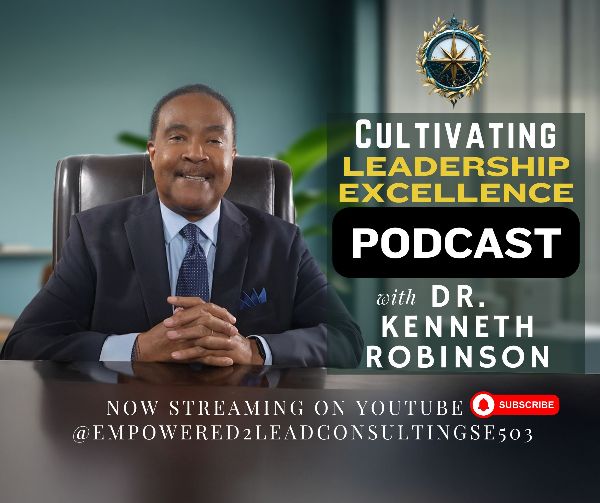
Subscribe to My Weekly Blog: Cultivating Leadership Excellence
Get practical leadership insights, tools, and inspiration delivered straight to your inbox each week. Visit www.cultivatingleadershipexcellence.com to explore my book, Cultivating Leadership Excellence: A Practical Guide for Creating an Inclusive Leadership Development Program.
BONUS: Sign up today and receive a free 15-minute discovery session—a great opportunity to get expert guidance on launching or enhancing your leadership development program.